
Kunio Takeda written account, c. 1976 – Transcribed from handwriting and edited by Sara Breitkreutz, December 28, 2024
September 1946 – we arrive in Montreal by train, 5 or 6 families, from Transcona, Manitoba, one of the stop-overs on our trek east.
Farnham is a small quiet town of approximately 5,000 to 6,000 population situated about 40 miles south-east of Montreal. The area is relatively flat with a lazy scenic river running parallel to its Main Street.
We were taken to our living quarters, a former army prison camp for German POWs on the outskirts of town, complete with barbed wire fence. However, we soon learned these were not to keep us in confinement.
There were approximately 9 to 10 families already settled there when we arrived. A few of the early arrivals were fortunate in being housed in a rather large, fashionable home, presumably rented by the government. The majority were put up in partitioned prefabricated bunk houses approximately 20’ x 48’. I believe there were 3 or 4 families per house. Some were housed in other larger administrative buildings on the campground, one of which was used for a Mess Hall. It recalled memories of Hastings Park back in British Columbia.
However, knowing that all this was to be temporary and that we were brought out east to be settled in our own homes made these [poor] living conditions a bit more bearable.
My recollections aren’t too clear some 30 years back, but it seems most of us – some 20 or so families – spent the winter there making new acquaintances and deciding what and where our future was going to be. There were some families that moved out to the city even before that winter. They were mainly the ones with grown-up children and who were either able to find employment and lodging or homes on their own or with the aid of friends and relatives who had already settled there.
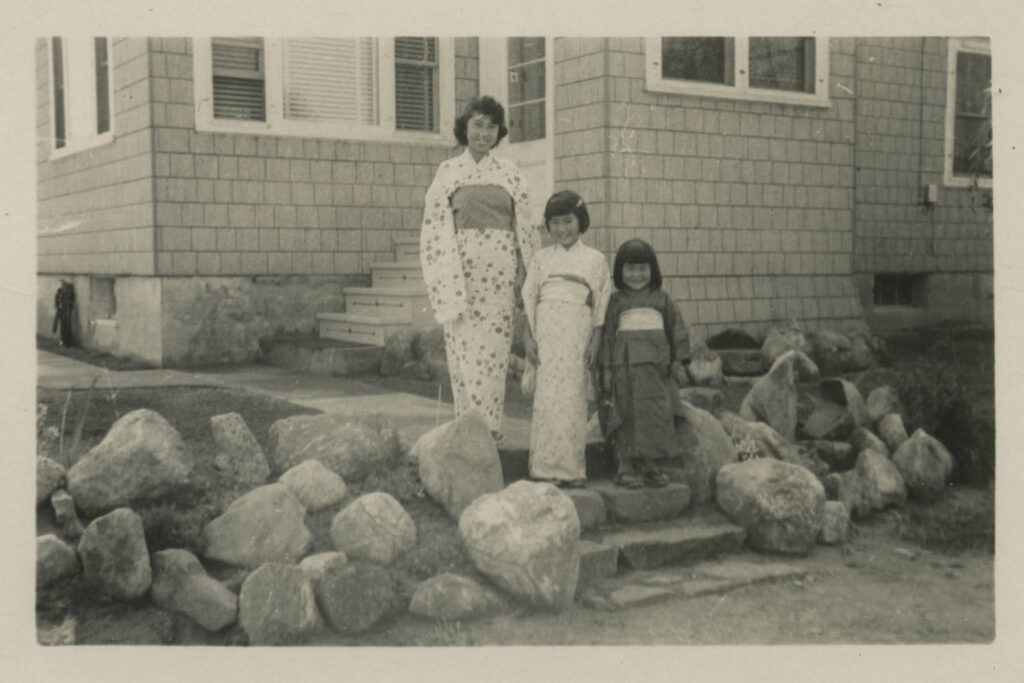
By spring of 1947 approximately 50% of the families had decided to make their homes elsewhere, and they left one by one, many for Montreal, others for cities and towns in Ontario and even back to British Columbia. Those who elected to stay either purchased homes or bought property on the outskirts of town, and either built their homes or were given by the government half of the prefabricated bunk houses, which were transported by trailer truck to their respective lots. As we were out of the town limits in most cases, we had no water or sewage facilities, and one of the first things I remember was that all the men of the families of Bedford Road (where 7 of the families settled) got together to dig each others’ well for water. This was done by driving pipes 30-35 feet into the ground and flushing out sand and rock particles with water supplied by a kindly and helpful Monsieur Haman, our only French Canadian neighbour, who spoke enough broken English to be understood. With this cooperative spirit, it was within a week or so that we all had our own water supply. It was just as well that we were isolated out “in the sticks,” for we had to resort to the good old outhouses for some time to come till we had the proper sewage disposal system installed.
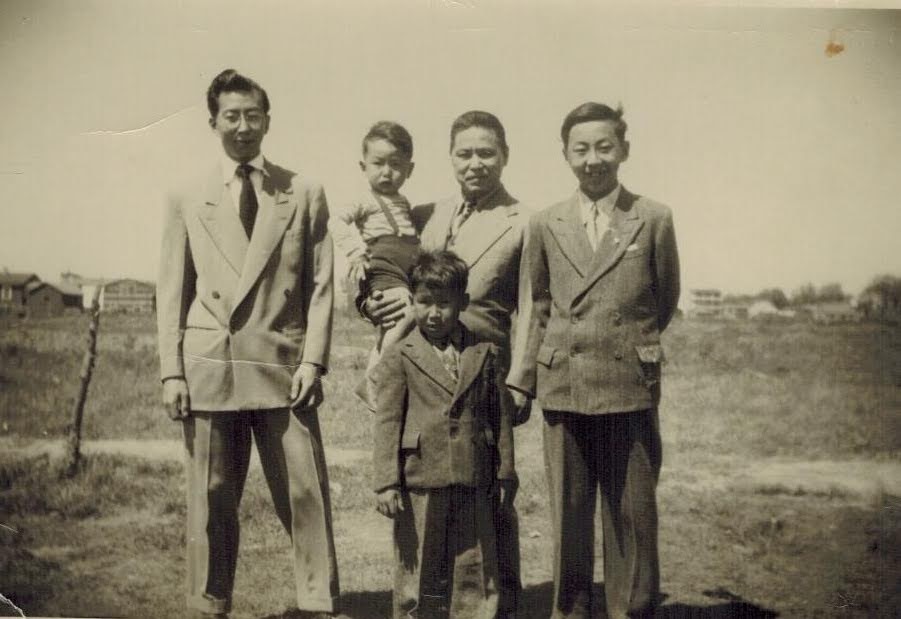
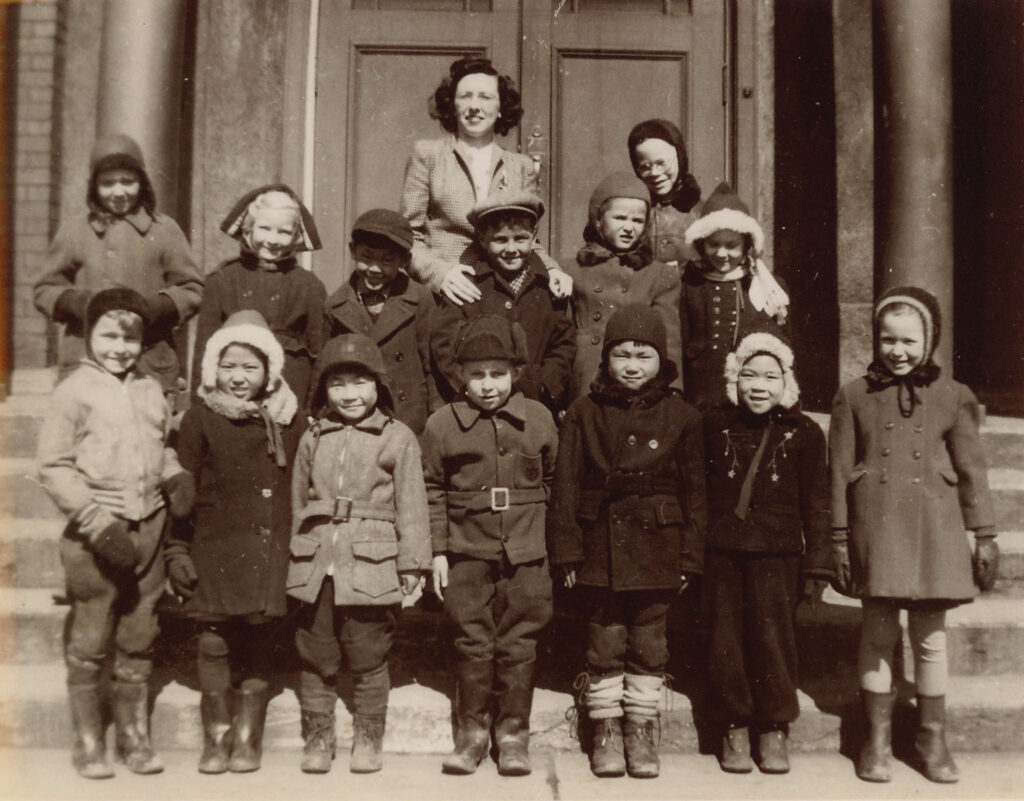
On arrival in Farnham, the children were immediately enrolled in the local English primary schools, and those who attended high school were bussed to Cowansville, a town in the Eastern Townships 13 miles south of Farnham. They were very well received and soon treated as one of them. Many have achieved high scholastic standings in their studies and activities and have received awards.
During the early part of the year, those that worked found odd jobs here and there until we were accepted into the workforce for the several major industrial plants here. The good impression by the few early applicants who found jobs in these plants helped those who followed in being readily accepted. In general, the Japanese had earned a reputation for their hard and good working qualities, and encountered no problems in obtaining employment. Some had attained supervisory levels in spite of the language barrier.
As the years passed, some of the families with children reaching college and university age decided on moving to cities wherever available. Others moved with dissatisfaction with their jobs and the need for better things, and some for social reasons. By the year 1962, out of the 12 families who originally settled there, there now remains 4 to this date. Most of their children have moved and married and have settled elsewhere, raising their own families and/or pursuing their careers. Five of the children from the original 12 families have chosen to make their homes in Farnham and have married into English or French families.
Thomas Kunio Takeda
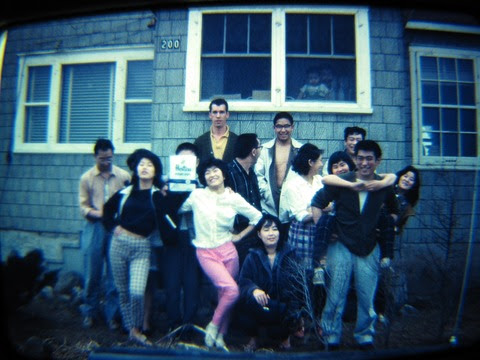
| Torao Takeda 1902 – ? | Dai Yamada 1908 – ? | ||||||||||||||||
| Kunio Thomas Takeda | Midori Irene Takeda Mitobe | Sumire Violet Takeda Uchiyama-Frye | Ririko Peggy Takeda Charron | Hiroshi Hugh Takeda | Kenji Takeda | Tamiko Helen Takeda Manning | Richard Takeda | Naomi Takeda | |||||||||